
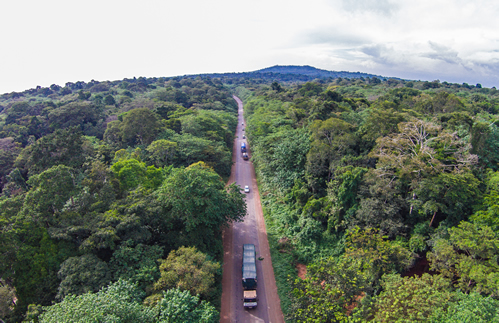
Mabira Forest Reserve is one of Uganda’s most remarkable natural attractions and among the country’s few remaining tropical rainforests.
Covering around 306 square kilometers, this expansive forest is situated in central Uganda, primarily within Buikwe District, between the towns of Lugazi and Jinja.
Located north of Lake Victoria along the Kampala–Jinja Highway, Mabira is approximately 54 kilometers from Kampala and 26 kilometers from Jinja, making it a convenient stopover for travelers exploring eastern Uganda, including Jinja, Mbale and Sipi Falls in Kapchorwa.
Established as a forest reserve in 1932, Mabira is renowned for its rich biodiversity, providing habitats for numerous bird species, butterflies, plants and primates, including the grey-cheeked mangabeys, also known as the Uganda mangabeys.
Its lush vegetation, diverse wildlife and peaceful natural surroundings offer visitors opportunities to enjoy guided forest walks, bird-watching, butterfly identification, primate observation and other nature-based adventures.
Attractions in Mabira Forest Reserve
Mabira Forest is undeniably a biodiversity hotspot with over 300 unique tree species, about 40 species of mammals including 9 primate species, 315 species of birds, approximately 200 butterfly species and 97 moth species.
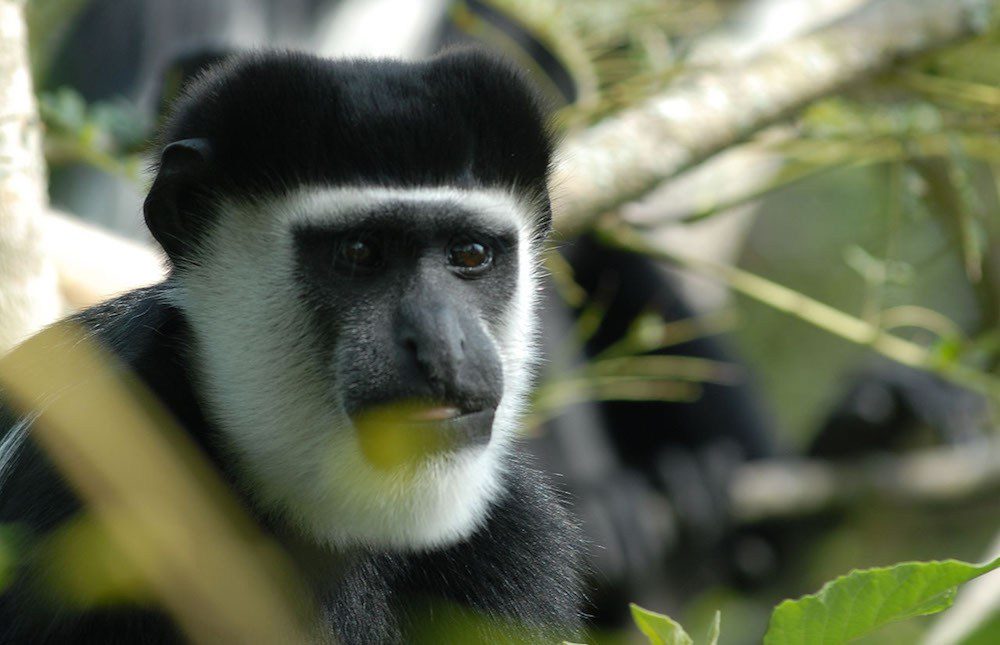
Talking of mammals, visitors are guaranteed of seeing the grey-cheeked mangabeys, olive baboons, red-tailed monkeys, vervet monkeys, bush pigs, black and white colobus monkeys, duikers, fruit bats, to mention but a few.
The common bird species in Mabira Forest include grey longbills, Toro olive Greenbul, Sooty flycatcher, Purple throated Cuckoo shrike, Illadopsis, Palmnut vultures, Red-bellied Paradise flycatcher, Nahan’s francolin, African fish eagles, Great blue Turaco, Jameson’s wattle eyes, Green-tailed Bristle bill, Tit Hylia and many others. Generally, about 45% of the country’s forest birds can be spotted in this beautiful Forest Reserve.
Activities in Mabira Forest Reserve in Uganda
Mabira Forest Reserve offers exciting nature-based activities, allowing visitors to explore its rich biodiversity, discover wildlife and enjoy the beauty of Uganda’s tropical rain forest. Popular activities include:
Zip-lining in Mabira
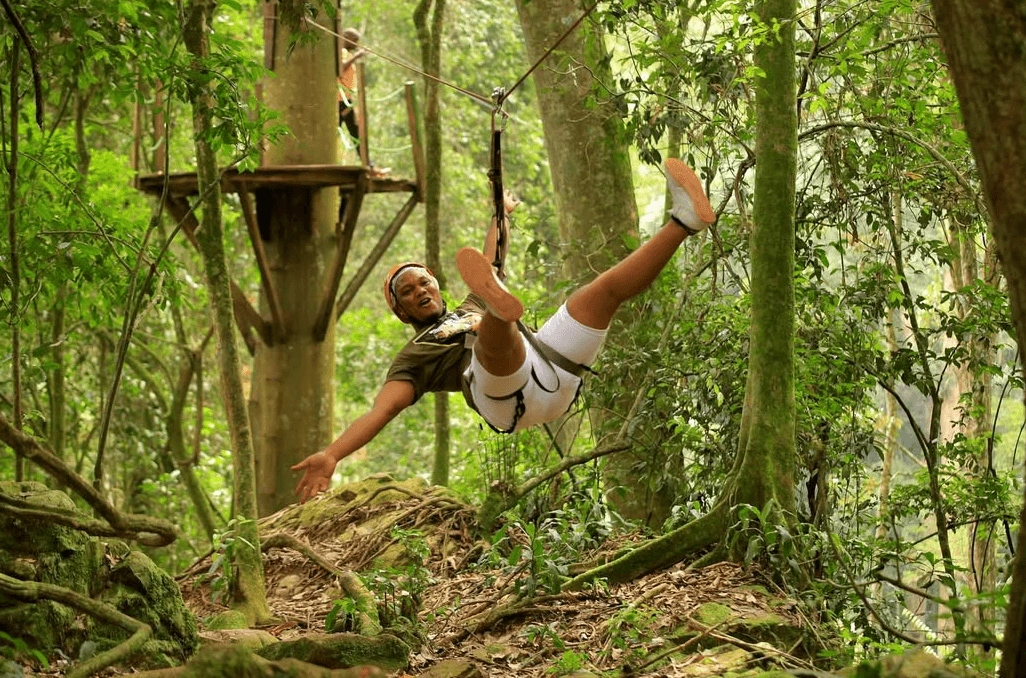
Mabira forest is one of the few places in Uganda where travelers can enjoy zip lining adventures and this allows participants to maneuver through tall trees like monkeys.
Visitors are led to pass through huge trees by professional sky guides across a network of 5 zip lies that extend for about 250 meters across the stunning Musamya River.
This activity is conducted under stringent International safety guidelines and with trusted gear. It is exciting when you come across different birds, primates and most interestingly the thundering griffin falls.
Bird Watching
After learning that Mabira Forest is a home to over 315 bird species, birding tours are definitely a must-do during Uganda safaris.
Expect sights and sounds of at least 45% of Uganda’s forest bird species that include Tit Hylia, Jameson’s wattle eyes, Nahan’s francolin and many others.
Guided forest walks
Guided forest walks in Mabira forest are conducted in the company of trained and professional guides and involve trans-versing well-maintained trails with at least 3 primate species, over 50 bird species and several butterflies expected during the adventure.
Primate Trekking/Tracking
Mabira Forest is one of the few Tropical rainforests sheltering the Uganda mangabeys and for your visit, you can be able to track these extraordinary primate species.
The most exciting thing is that you can be able to see at least 3 troops in a single day and also get a chance to interact with some of the researchers who participated in their habituation.
Environment education & Research
Environment education is another interesting and significant activity conducted within Mabira forest and is done under MAFICOs mission by the spectacular Griffin falls Camp.
Programs involve helping primary, secondary and Universities and other higher institutions during scientific research.
Butterfly identification
This is an interesting nature activity in Mabira Forest Reserve, offering visitors an opportunity to discover the forest’s colorful butterfly species.
During guided forest walks, visitors can observe different butterflies, learn to identify them by their colors, wing patterns and markings, and understand their role in pollination and forest biodiversity.
It is an enjoyable experience for nature lovers, wildlife enthusiasts and photographers.
Forest camping
There are several designated Campsites, one of which is Griffin falls Camp for visitors interested in experiencing the jungle in a different way.
What to Pack for a Visit to Mabira Forest Reserve
When visiting Mabira Forest Reserve, it is important to carry comfortable clothing and essential items for forest walks, bird watching, cycling and other outdoor activities.
Essential Packing List
-
Comfortable walking shoes: Suitable for forest trails and nature walks.
-
Lightweight clothing: Wear comfortable, breathable clothes suitable for tropical weather.
-
Rain jacket: Useful during unexpected rainfall.
-
Insect repellent: Helps protect against mosquitoes and other biting insects.
-
Drinking water: Stay hydrated during outdoor activities.
-
Binoculars: Useful for bird watching and observing wildlife.
-
Camera or smartphone: Capture butterflies, birds, monkeys and forest scenery.
-
Sunscreen and hat: Provide protection during outdoor excursions.
-
Small backpack: Carry your personal essentials conveniently.
-
Snacks: Bring light refreshments for your forest adventure.
Where to stay in Mabira Forest/Lodges in Mabira
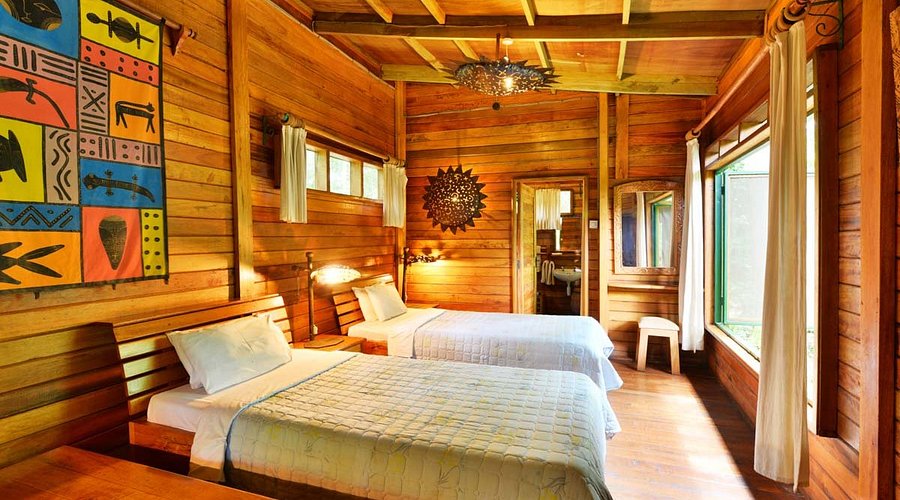
Griffin falls Camp is the main place to stay while exploring Mabira forest, in form of self-contained eco-nests (in twin), mid range Bandas in twin, the Quadruple Bandas with four beds and outdoor Camping for a more intimate experience of the jungle.
Other nearby places to stay include the Haven Eco River Lodge, Rain forest Lodge Mabira, Baobab Cottage and Lighthouse Jinja among others.
Best time to visit Mabira Forest
There is no perfect time to explore Mabira Forest because the lush Rain forest is open throughout the year. However, most travelers prefer the dry season when forest ground and trails are less muddy and slippery, since rains are minimal.
How to Access or Get to Mabira Forest
Mabira Forest is situated in Mukono district, Central Uganda and about 54 kilometers along the Kampala-Jinja Highway.
It is also only 26 kilometers from the Town of Jinja in addition to being only 500 meters from the main Kampala-Jinja highway along a short dirt road off the Najjembe Trading Center.
This makes Mabira Forest accessible by all vehicles all year round.
Frequently Asked Questions About Mabira Forest Reserve.
1. Where is Mabira Forest Reserve located?
Mabira Forest Reserve is located in central Uganda, along the Kampala–Jinja Highway, mainly within Buikwe District and extending into neighboring districts. It lies approximately 54 km from Kampala and 26 km from Jinja.
2. What is Mabira Forest Reserve famous for?
Mabira is famous for its tropical rain forest, rich biodiversity, bird life, primates, forest trails and nature-based tourism activities. It is one of the largest remaining natural forests in central Uganda.
3. How big is Mabira Forest Reserve?
Mabira Forest Reserve covers approximately 306 square kilometers (30,600 hectares), making it one of Uganda’s largest Central Forest Reserves.
5. Which animals can be seen in Mabira Forest?
Mabira is home to several primate species, including Uganda mangabeys, red-tailed monkeys, vervet monkeys and black-and-white colobus monkeys.
Other wildlife includes small mammals, butterflies and numerous bird species.
8. Is Mabira Forest suitable for a one-day trip from Kampala?
Yes. Mabira is suitable for a day trip from Kampala because of its location along the Kampala–Jinja Highway. Visitors can enjoy guided forest walks, bird watching and other outdoor activities before returning to the city.
9. What is the best time to visit Mabira Forest Reserve?
Mabira can be visited throughout the year. However, relatively drier periods, particularly June to September and December to February, are generally convenient for forest walks, cycling and outdoor exploration.
10. Is Mabira Forest Reserve suitable for bird watching?
Yes. Its diverse habitats support numerous bird species, making it a rewarding destination for birdwatchers interested in Uganda’s forest birds.
11. Can tourists go camping in Mabira Forest?
Yes. Camping facilities are available at designated ecotourism sites. Visitors should confirm current arrangements and availability before traveling.
13. Can Mabira Forest be combined with a Jinja safari?
Yes. Its location between Kampala and Jinja makes it convenient to combine a forest visit with a trip to Jinja, where visitors can explore the Source of the Nile, enjoy Nile River scenery and experience other attractions.
Explore Mabira Forest Reserve
Discover the natural beauty and biodiversity of Mabira Forest Reserve with Silverback Gorilla Safaris. Whether you are interested in guided forest walks, bird-watching, butterfly identification or primate observation, we can help you plan a memorable nature experience in Uganda.
Contact our safari team at info@silverbackgorillasafaris.com to include Mabira Forest in your Uganda travel itinerary and explore more of the country’s remarkable natural attractions.