
Rushaga Gorilla Habituation Experience | Bwindi, Uganda.
The Rushaga gorilla habituation initiative in Uganda offers an exclusive chance to spend prolonged periods alongside wild mountain gorillas during their acclimation phase, where they are taught to remain calm in the presence of people.
Because these primates are inherently timid and wary, teams of scientists, conservation specialists, and tracking experts interact with designated gorilla groups on a daily basis to foster a gradual tolerance for human proximity.
By taking part in this activity, you accompany rangers, field researchers, and trackers for a full day to monitor, study, and participate in the incremental process of earning the animals’ confidence.
This encounter goes beyond simple wildlife viewing, as your very presence serves as a vital component of their socialization training.
In contrast to standard gorilla trekking which focuses on groups that have already adapted to visitors, this immersive program provides deeper insights into primate dynamics, ecological preservation hurdles, and the intensive efforts required to familiarize these creatures with human observers.
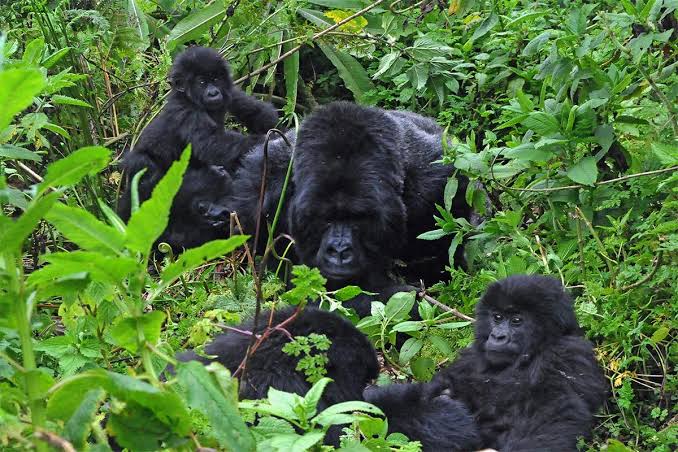
For instance, observers might witness juvenile gorillas frolicking, maternal figures feeding their infants, or the majestic silverback maintaining peace among the troop.
Engaging in this encounter transforms you from a mere visitor into an active participant in an initiative dedicated to safeguarding these threatened creatures.
This raw, deeply engaging adventure is found almost nowhere else on Earth outside of Uganda.
How different is Rushaga Gorilla Habituation from regular Gorilla Trekking?
The Rushaga gorilla habituation initiative stands completely apart from standard primate tracking, differing significantly in both the duration of the visit and the core character of the encounter.
Standard trekking permits travelers to observe an entirely acclimated group of gorillas for a strictly limited sixty-minute window.
This option offers a briefer, more passive observation style, making it ideal for holidaymakers seeking a straightforward initial encounter with these wild primates.
Conversely, the Rushaga Gorilla habituation journey is tailored for individuals seeking a profound, participatory connection.
Rather than a brief hour, guests remain with the wild group for up to four hours, accompanying field researchers and wildlife monitors.
Because these specific primates are still undergoing training to tolerate human presence, visitors actively support the wildlife management team during a crucial transition phase.
Consequently, this allows for the observation of more uninhibited and genuine wildlife actions, given that the animals have not yet adapted to onlookers and display their truest instincts.
A primary distinction lies in the depth of educational engagement each activity provides.
The Rushaga Gorilla habituation process offers firsthand knowledge from field specialists regarding the vocalizations, social structures, and wild behaviors of gorillas, alongside the meticulous steps required to acclimate a wild group to human presence.
Participants might witness raw, unscripted moments of primate life, such as a dominant silverback beating its chest to assert authority or energetic young gorillas leaping through the canopy.
Furthermore, habituation provides a highly intimate experience, restricting daily permits to intimate parties of just four individuals per group.
In contrast, standard tracking excursions generally accommodate up to eight visitors at a time.
While traditional tracking demands less of a time commitment, the Rushaga Gorilla habituation journey is tailored for individuals possessing greater endurance, inquisitive minds, and a profound commitment to environmental protection.
Where to do Rushaga Gorilla Habituation in Uganda.
Deep within Uganda, the specialized Rushaga gorilla habituation initiative is exclusively hosted in a single destination: Bwindi Impenetrable National Park.
This distinctive activity is concentrated specifically throughout the park’s southern territory, a territory designated as the Rushaga sector. Celebrated as a UNESCO World Heritage Site, Bwindi ranks among the Earth’s most ecologically diverse environments.
It is globally renowned for safeguarding over fifty percent of the planet’s surviving mountain gorilla population.
The Rushaga zone, which serves as the backdrop for these habituation activities, is characterized by its steep, challenging landscapes, thick canopies, and remarkable biodiversity.
This specific sector operates as a focal point for ecological preservation initiatives and scientific studies regarding primate conduct.
Within these dedicated locations, wildlife wardens interact daily with wild gorilla groups that are transitioning to human presence, offering adventurous travelers a rare invitation to participate in this remarkable conservation fieldwork.
Reaching this remote destination generally requires departing from primary Ugandan urban centers like Entebbe or Kampala.
From there, explorers can opt for a domestic flight landing at the neighboring Kisoro airstrip or undertake an intensive eight-to-ten-hour overland road trip.
Despite the demanding transit time, trekkers routinely consider the voyage highly rewarding, given the unparalleled privilege of interacting with these magnificent primates inside an untouched wilderness.
Furthermore, the Rushaga region features an assortment of sustainable eco-lodges and guesthouses, providing an ideal base for anyone eager to deeply connect with East Africa’s spectacular landscapes and rich animal life.
 Purpose of the Gorilla Habituation Process.
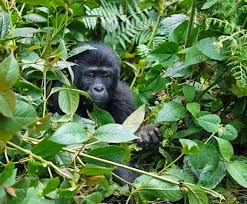
The primary objective of Rushaga gorilla habituation is to familiarize wild mountain gorillas with human presence, ensuring they do not perceive people as a threat. By nature, these primates are reserved and may exhibit aggression if they feel frightened or trapped.
This gradual approach enables conservationists, researchers, and rangers to observe and interact with the groups while maintaining the animals’ security and peace of mind.
The goal is not to alter their natural habits, but rather to teach them to view humans as harmless, neutral elements of their surroundings.
This complex procedure takes about two to three years and is managed by a dedicated team of scientists, park wardens, and trackers.
These experts interact with the gorilla families on a daily basis, employing subtle techniques like imitating gorilla calls, adopting non-threatening body language, and keeping a respectful distance to earn their confidence over time.
Ultimately, this training allows the primates to remain calm around travelers once they are cleared for controlled eco-tourism.
This process plays a vital role since eco-responsible travel generates the necessary financial backing for environmental protection.
It also offers alternative livelihood options that steer local communities away from destructive practices such as illegal hunting or logging, both of which threaten the survival of gorilla groups.
Furthermore, the acclimation process grants scientists the unique opportunity to observe these primates at close range.
This direct observation yields deeper insights into their behavioral patterns, community dynamics, and medical well-being, which ultimately shapes more effective protection frameworks.
Absent this conditioning, conducting secure scientific evaluations on these at-risk creatures would be unfeasible, nor could travelers observe them in their natural habitat without triggering anxiety or upending their natural routines.
To illustrate, field rangers initially monitor the primates from a significant distance, slowly closing the gap as mutual confidence develops.
Following years of this meticulous adjustment, the animals become comfortable with human presence in close proximity, displaying zero apprehension or hostility.
This methodical approach establishes a harmonious equilibrium, ensuring the primates preserve their wild nature while remaining reachable for scientific inquiry and sustainable wildlife tourism.
How long does Rushaga Gorilla Habituation last?
This four-hour encounter offers an extended opportunity to observe these primates, contrasting sharply with standard tracking excursions that limit visitor interaction to a single hour with a completely accustomed troop.
Throughout this immersive session, participants accompany conservationists, trackers, and scientists to monitor and engage with a wild family undergoing socialization.
Because these particular animals are still adjusting to people, their actions can be less predictable than those of thoroughly conditioned groups.
The excursion commences at dawn, starting with an introductory safety briefing before the party treks into the dense canopy alongside a tracking crew. The duration of the journey to locate the primates varies daily, potentially requiring several hours of trekking since the animals constantly migrate through the wilderness in search of sustenance.
The core educational phase begins the moment the troop is located. Over the course of four hours, visitors closely study the primates’ dynamics, social structures, and daily habits.
Observations might include a dominant silverback tending to a younger member, females caring for their infants, or adolescents wrestling.
As an active scientific endeavor, guests also observe field experts documenting behaviors and using specific vocalizations or gestures to maintain tranquility.
The guiding team will also provide real-time instructions on proper conduct to ensure the wildlife remains undisturbed.
The entire journey encompassing the initial orientation, the trek itself, and the actual encounter frequently spans a whole day, requiring participants to brace themselves for an arduous and exhausting excursion.
Despite the physical challenges, spending prolonged moments observing these creatures offers nature lovers a deeply engaging and memorable encounter.
Furthermore, a dominant silverback possesses the immense strength necessary to hoist nearly 1,800 kilograms, which is equivalent to roughly ten adults.
These primates also exhibit a striking genetic connection to mankind, sharing approximately 98% of their genetic blueprint with us. Acclimatizing a wild troop so they feel secure around human observers is a meticulous process that spans twenty-four to thirty-six months.
Cost of the Gorilla Habituation permit.
As of the 2026–2028 tariff schedule, securing a voucher for the Rushaga gorilla habituation program in Uganda demands an investment of $1,800 per individual.
Administered by the Uganda Wildlife Authority (UWA), this premium rate surpasses the standard gorilla tracking license, which is valued at $800 per tourist.
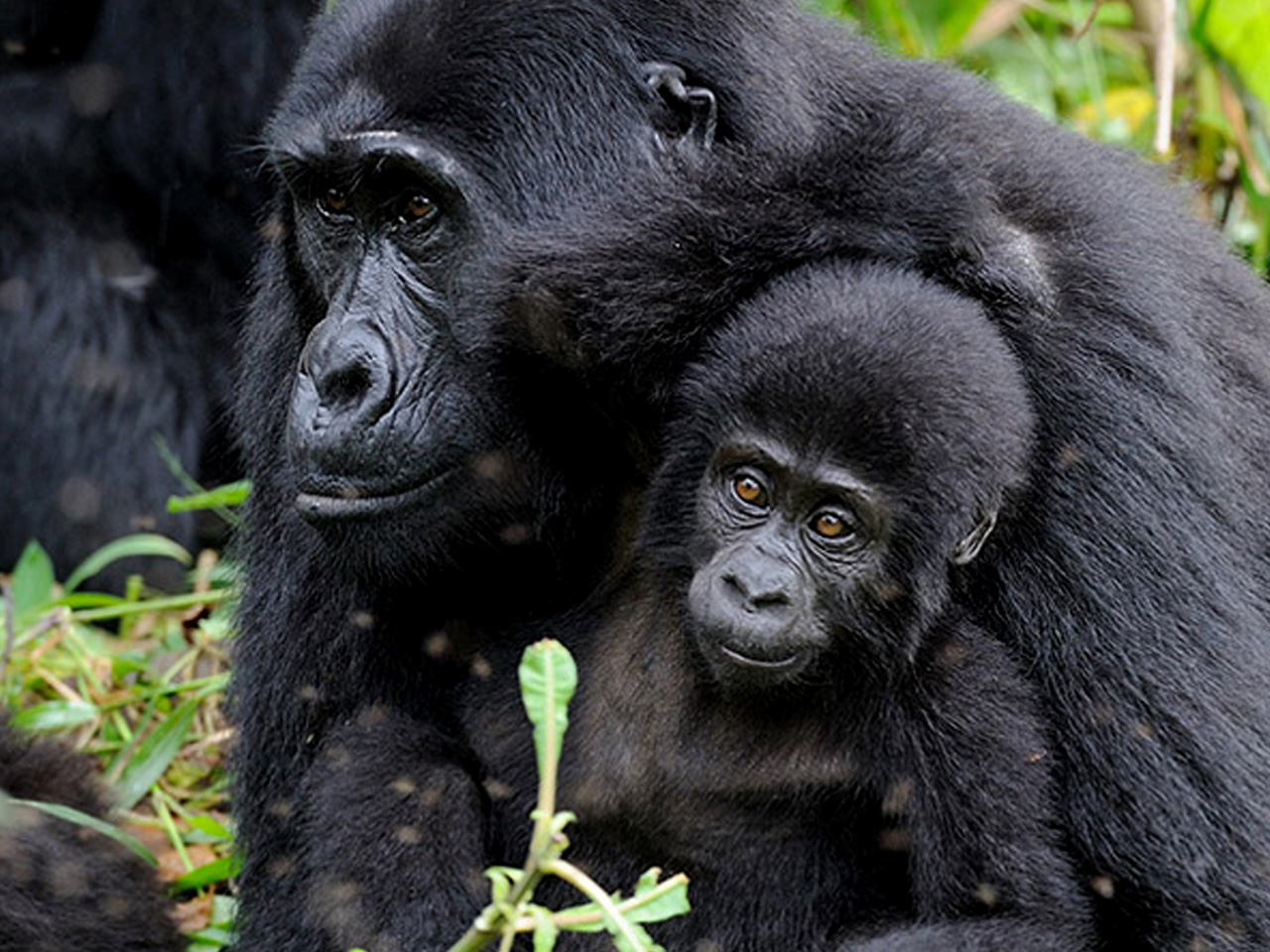
Though the price tag is substantial, it reflects unique privileges: participants receive an extended four-hour window alongside the primates rather than the typical single hour, group sizes are strictly limited to about four guests, and the funds support the demanding work required to familiarize wild families with human presence.
These resources are indispensable for safeguarding biodiversity. A significant share of the revenue flows straight into preserving Uganda’s mountain gorilla populations and securing their native environments.
Specifically, the capital finances anti-poaching units, funds community development projects bordering the reserves, and covers the compensation and instruction of field guides and scouts who constantly supervise the animals. Engaging in this adventure means directly financing the long-term viability of these ecological protective measures.
Furthermore, this specialized activity is exclusively restricted to Rushaga sector within Bwindi Impenetrable National Park.
Limiting the geographic scope minimizes human disturbance and maintains strict eco-friendly standards.
This high level of isolation, paired with the vital environmental benefits funded by the entry fees, provides a meaningful justification for the financial outlay.
Ultimately, numerous travelers view this expenditure as a singular, irreplaceable opportunity. Spending a prolonged duration monitoring untamed primates, observing seldom-seen social dynamics, and backing essential preservation work justifies the expense.
Unforgettable occurrences such as a maternal gorilla guiding her offspring through the canopy or a dominant silverback executing a display of leadership offer immeasurable rewards for wildlife enthusiasts
What to expect during the Gorilla Habituation Experience.
Participating in Uganda’s Rushaga gorilla habituation program offers an unparalleled, deeply moving encounter with nature.
This activity allows visitors to spend an extended four hours tracking and quietly watching a wild mountain gorilla troop that is currently being trained to tolerate human company.
Because these primates are still adapting to people, the interaction provides a much more primitive and genuine atmosphere than standard primate tracking excursions.
An overview of what this adventure entails:
- Early Morning Orientation: The journey commences at dawn with an informative session led by knowledgeable rangers and researchers at the park headquarters, usually located in Bwindi Impenetrable National Park. The staff will outline safety protocols, behavioral guidelines, and background information regarding the specific gorilla community you will encounter.
- Navigating the Wilderness: Participants should anticipate a demanding yet gratifying trek through the thick, untouched vegetation of Bwindi. Locating the primates can take between one and three hours of hiking across steep, muddy, and irregular landscapes. The surrounding jungle is spectacular, characterized by massive trees, thick vines, and a symphony of avian sounds.
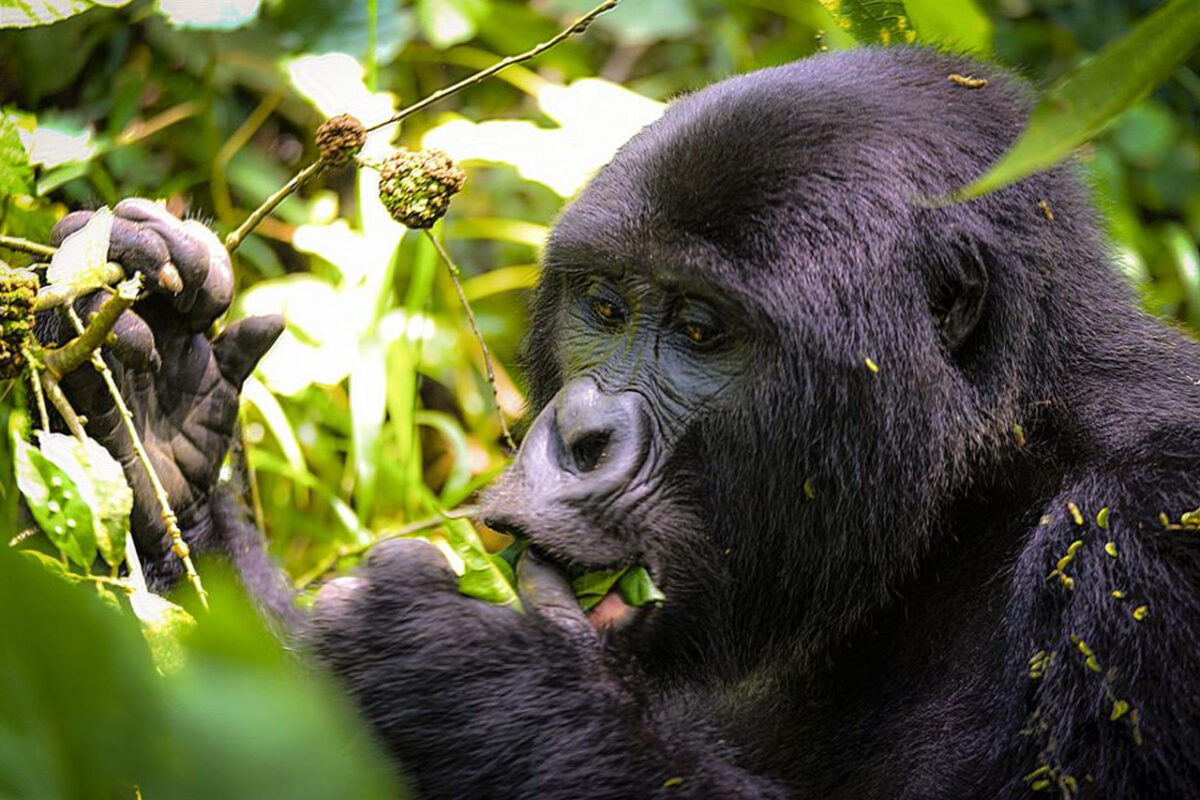
- The Primate Encounter: Upon locating the troop, you are granted up to four hours to watch their daily routines. During this window, conservationists and researchers actively analyze behavioral patterns and gather vital data to assist in the habituation process. You can witness the animals foraging, interacting, cleaning each other, or displaying curiosity toward their guests. Since these gorillas are still new to people being around, they still act in very natural and surprising ways.
- An Immersive Bond: Unlike standard gorilla trekking, which restricts your viewing time to a single hour, the habituation process offers a profoundly immersive experience. You play an active role in training these primates to tolerate human interaction, a vital phase in long-term preservation efforts. While the journey is rigorous and physically testing, it remains deeply impactful. By the time you finish, you will know you contributed to a significant cause, gaining a rare opportunity to bond with animals in the wild while directly supporting their survival.
Distance to maintain from the gorillas during the habituation experience.
Approaching free-ranging gorillas delivers an exhilarating adventure that demands stringent supervision. Participants engaging in the habituation encounter are generally required to maintain a gap of roughly 21 to 30 feet (7 to 10 meters) from the troop.
This spatial boundary is established to guarantee the well-being of both human observers and the primates. Although these colossal creatures possess a remarkably peaceful demeanor, they remain untamed fauna; preserving this buffer minimizes stress for the group and prevents interference with their organic conduct.
Nevertheless, wildlife does not adhere to human regulations. Driven by intrigue, a specific gorilla might occasionally narrow the separation on its own accord.
Should this occur, it is vital to remain composed and adhere strictly to the directives of your escort. When an animal advances toward you, standard protocol dictates that you remain motionless, avert your gaze from direct eye contact, and refrain from abrupt gestures.
If a playful youngster attempts to investigate or venture too near, the accompanying trackers will immediately intervene to manage the interaction.
This physical separation is also crucial for mitigating health risks. Because these primates share approximately 98% of their genetic blueprint with mankind, they are highly vulnerable to human pathogens such as influenza, which can prove fatal to their populations.
Consequently, maintaining a considerate proximity serves as a vital safeguard for their biological defense.
Ultimately, you should anticipate tracking the troop from a distance of several meters, though you must remain prepared for instances where they might breach that boundary themselves.
Witnessing their distinct facial gestures and listening to their vocal communication from such proximity is truly extraordinary, provided you always honor your role as a temporary visitor in their natural habitat.
What to pack for the Gorilla Habituation Experience.
To maximize your enjoyment during the Rushaga gorilla habituation adventure, wearing appropriate attire and packing the correct equipment is vital. Navigating a thick, damp, and slushy jungle demands apparel that prioritizes utility and ease. Below is a checklist of necessary items:
Apparel Guidelines
- Extended Tops and Bottoms: Opt for lightweight, ventilated textiles to shield your limbs from prickles, biting insects, and abrasions while managing heat and perspiration.
- Robust Trail Footwear: Secure, water-resistant footwear with excellent traction and ankle reinforcement is indispensable for tackling sharp, slick inclines.
- Waterproof Outerwear: Downpours are unpredictable in the rainforest, making a reliable raincoat or poncho necessary year-round.
- Leg Gaiters: An excellent optional accessory to block sludge, moisture, and pests from infiltrating your footwear.
- Hand Protection: Basic gardening gloves are highly useful for gripping branches or clearing undergrowth safely.
- Choose muted colors like tan, olive, or espresso to blend into the environment, as bright colors can scare the wildlife.
Essential Gear
- Compact Backpack: A moisture-resistant daypack keeps your belongings dry and organized.
- Sustenance: The trek is physically demanding, so carry ample hydration around two liters alongside high-energy snacks.
- Bug Spray: Apply a strong repellent to deter mosquitoes and forest pests.
- Field Glasses: Handy for magnifying distant birds or elusive canopy wildlife before you reach the primates.
- Photography Equipment: Bring a flash-free camera, alongside spare power cells and storage cards, to document the encounter safely.
- Trekking Pole: Offers critical balance on rugged paths; these are frequently supplied by guides but are great to have.
- Protective Face Cover: Often mandatory near the primates to prevent cross-species health risks.
Additional Travel Tips
- Keep your luggage minimal, as transporting excess gear will only impede your pace.
- Securing the services of a local carrier to transport your backpack is highly recommended. These individuals possess an intimate understanding of the landscape, and employing them directly benefits the local economy.
- Keep in mind that the jungle paths are frequently waterlogged and slick; your garments are bound to get stained, so opt for attire that you are comfortable damaging.
- Selecting the correct wardrobe and bringing only the essentials ensures you stay relaxed, allowing you to immerse yourself completely in the magnificent primate encounter
Rules and Guidelines for Gorilla Habituation Experience.
Engaging with mountain gorillas offers an exceptional opportunity, yet stringent regulations exist to safeguard both the primates and participants throughout the experience. These endangered animals are exceptionally vulnerable to human contact, making these protocols vital for ensuring their security, reducing anxiety, and halting health risks.
- Tourists are required to keep a minimum separation of 7 meters (roughly 23 feet) from the troop. This gap lowers the probability of passing infections, given that gorillas are susceptible to human ailments like respiratory bugs and influenza. Should the primates advance toward the group, individuals must remain composed and gradually step backward to restore the required buffer.
- Initiating contact or advancing toward the gorillas is strictly forbidden. As wild creatures, they might view abrupt actions or proximity as a challenge. Maintaining a passive, serene presence helps keep them at ease.
- In line with maintaining serenity, keeping noise levels down is essential. Desist from making noise or making rapid gestures that could provoke the gorilla group. While speaking in a hushed tone is acceptable, immersing oneself in the moment quietly is highly recommended.
- Should you need to cough or sneeze, turn your head away and shield your face to stop the transmission of pathogens or frighten the wildlife. Sanitization is paramount, and anyone suffering from a transmissible illness is barred from entering the habitat.
- Trackers must meet a minimum age requirement of 15 years.
- Using a camera flash is completely banned because it can startle the primates and trigger an aggressive counter-attack.
- Standard encounters with the gorillas generally span one hour, though this extends to four hours for habituation programs, and dropping trash in their natural environment is completely outlawed. Preserving the ecology is vital to safeguarding their native territory.
- Ultimately, obey every direction given by your rangers. These expert guides focus on maintaining a secure environment for both visitors and wildlife. Should an animal advance or show signs of hostility, the staff will direct your movements, which usually involves lowering your body and avoiding direct eye contact.
- For instance, if a curious young gorilla walks up to you during the tour, remain calm and do not try to pet it, no matter how friendly it seems.
Consistently honoring these guidelines guarantees a secure and rewarding experience for all parties.
Contribution of Gorilla Habituation to Conservation Efforts.
The Rushaga gorilla habituation experience represents far more than a thrilling encounter with wildlife; it serves as a vital mechanism for preserving these highly threatened primates.
Gorilla communities across Uganda and neighboring territories are continuously jeopardized by illegal hunting, environmental degradation, and pathogen transmission.
The process of habituation, alongside the eco-tourism it drives, helps counteract these dangers and reinforces enduring protection initiatives.
To begin with, this practice enables scientists, trackers, and rangers to spend extended periods with specific primate families, progressively altering the animals’ comfort levels so they remain calm around restricted, peaceful human gatherings.
Understanding this adaptation is vital for evaluating primate behavior, health, and social structures, providing the key data needed to design effective conservation strategies.
From an economic perspective, this specialized excursion yields substantial funding via licensing costs. Passports for this extended encounter, which grant four hours of direct observation, carry a premium price compared to standard tracking excursions.
This income is directly channeled back into wildlife protection programs, ranger patrols, veterinary interventions, and infrastructural enhancements for the settlements bordering the reserves.
When indigenous populations reap financial rewards from travel commerce, they become far more inclined to champion conservation goals and actively shield the primates from illegal trapping and deforestation.
Furthermore, these immersive encounters cultivate global awareness and learning. Travelers journey back to their native countries with a profound comprehension of the systemic obstacles endangering these animals.
A significant number of these individuals recount their journeys, lobby for environmentally responsible tourism, or contribute financially to wildlife defense groups.
To illustrate, when illicit hunting drops because permit-backed security patrols multiply, or when neighboring townships secure educational outreach and economic stability, the welfare of the primate population rises immediately.
Consequently, the Rushaga Gorilla habituation journey nurtures a harmonious alliance between human societies and the natural world, which remains a fundamental pillar in safeguarding mountain gorillas.
Best Time for Gorilla Habituation Experience in Uganda
Uganda provides opportunities for Rushaga gorilla habituation throughout the entire year. However, the optimal periods to join this activity are the dry intervals, specifically spanning from June to September and December to February.
Choosing these months is advantageous because atmospheric conditions are more stable, while the jungle pathways remain less muddy and less slick, which significantly eases the physical demands of the hike.
During these drier periods, the foliage within Bwindi Impenetrable National Park, the exclusive site for this encounter thins out considerably.
This sparse greenery enhances visibility, allowing participants to view and study the primates’ actions without obstructed sightlines. Furthermore, sunshine and minimal rainfall decrease the chances of downpours interrupting the journey or causing discomfort.
Conversely, the rainy spells from March to May and October to November introduce intense precipitation that turns trails into challenging, muddy routes.
Despite these hurdles, traveling during the low season offers unique benefits, such as a higher likelihood of securing scarce permits and witnessing a strikingly vibrant, flourishing ecosystem.
Additionally, cooler weather often prompts the gorilla families to descend to lower elevations, which can shorten the trekking distance required to locate them.
In the end, the dry intervals are widely preferred and advised because they offer maximum comfort and straightforward hiking conditions.
Because spots for this specialized tracking encounter are strictly limited, securing passes months ahead of time is vital, particularly for peak vacation periods.
Regardless of the chosen season, equipping yourself with the right apparel including sturdy footwear, waterproof outerwear, and layering pieces guarantees readiness for the wilderness.
To illustrate, scheduling a trip to Bwindi in July ensures a more manageable trek and an excellent opportunity to observe these animals undisturbed by sudden downpours. Ultimately, the pleasant weather streamlines the expedition, cementing it as the favored option for international visitors.
How to Secure Your Gorilla Habituation Permit?
Since the Uganda Wildlife Authority allocates a mere eight Rushaga Gorilla habituation slots daily, securing a spot can be extremely challenging.
To guarantee your participation in the Rushaga Gorilla Habituation exercise, reserving your pass three to six months ahead of time is strongly advised, particularly for those visiting during the popular dry months.
Travelers can secure these passes by coordinating directly with the official wildlife department or by hiring an authorized local safari agency like Silver back gorilla safaris.
Opting for an agency simplifies the process, as they will manage the entire itinerary, vehicle arrangements, and pass retrieval for you.
While the authorization price encompasses your reserve admission, armed escort, expert researcher accompaniment, and the dedicated four-hour encounter with the primates, it excludes lodging and individual transit expenses.
Why Choose Uganda for the Habituation Over Rwanda/DRC?
Uganda uniquely provides a specialized Rushaga Gorilla habituation encounter that is entirely unavailable across the border in Rwanda and Congo.
Participants in this extended activity are granted four full hours in the presence of the wild primates, a stark contrast to Rwanda’s traditional tracking excursions, which strictly cap visitor interactions with the acclimated troops at a single hour.
In conclusion, as you walk out of the dense canopy of Rushaga, you leave behind more than just muddy footprints; you carry away a deep reverence for the delicate balance of nature and the unforgettable memories of a truly exclusive jungle encounter.