
Gorilla trekking sectors are key features why Bwindi Impenetrable National Park is a unique travel destination. These are areas designated with in the park to allow visitors trek and observe endangered mountain gorillas in their natural habitat. Understanding the differences in these gorilla trekking sectors will help you plan your travel itinerary well, choose a sector also fits your budget and fitness level.
Bwindi Impenetrable National Park is spread across 321 to 480 square kilometers of ancient Afro-montane rain-forest in southwestern Uganda. Its gorilla trekking sectors shelter approximately 460 mountain gorillas nearly half of the global wild population. Conservation management divides this rugged, mist-covered park into four distinct administrative and geographic sectors: Buhoma in the north, Ruhija in the east, and Rushaga and Nkuringo in the south.
Your trekking trailhead is assigned when you book a gorilla trekking permit through the Uganda Wildlife Authority or a licensed operator like Silverback Gorilla Safaris.
However, choosing the right sector in Bwindi Impenetrable National Park is the most critical decision when planning a Ugandan gorilla safari. This is because the park is not a uniform, with a single-entry point. Instead, it is divided into four separate Gorilla Trekking Sectors: Buhoma, Rushaga, Ruhija, and Nkuringo.
Every sector acts as a separate center with its own office, specific gorilla groups, different landscapes, varying heights, and unique places to stay.
Because these Bwindi Gorilla Trekking Sectors are separated by hours of driving on winding dirt mountain roads, booking a permit in one sector while reserving a lodge in another is a logistical error that can ruin a safari.
In this write up, we deliver the different gorilla trekking sectors in Uganda, focusing their main attractions, advantages, disadvantages, and the type of traveler each sector suits best. We also uncover the Nyakagezi in Mgahinga Gorilla National Park to help you choose a more suitable sector for your gorilla experience.
1. Buhoma Gorilla Trekking Sector: The Historic and Luxurious Gateway
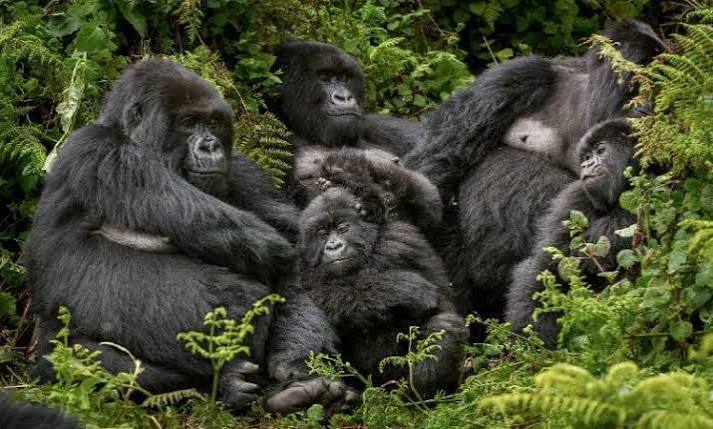
Located in the northwestern corner of Bwindi, Buhoma is the historic birthplace of mountain gorilla tourism in Uganda (the oldest gorilla trekking sector). It was here in 1993 that the Uganda Wildlife Authority (UWA) opened the very first habituated gorilla group, the Mubare family, to international visitors. Decades later, Buhoma remains the most famous, highly requested, and heavily developed sector in the park.
Buhoma has the gentlest trek trails compared to other gorilla trekking sectors. Many gorilla groups in this sector forage close to the park headquarters, occasionally resulting in short 1- to 3-hour hikes. This makes Buhoma the prime choice for older travelers, families, or individuals concerned about their physical endurance.
Gorilla Families and Permit Availability
This gorilla trekking sector hosts some of the most iconic
- Mubare: The oldest habituated family in Uganda.
- Rushegura: Known for being calm and frequently wandering close to lodge properties.
- Habinyanja & Katwe: Larger, dynamic groups that offer fantastic social interactions.
- Happy group in the Buhoma sector in Northern Bwindi and this is newly added family by Uganda Wildlife Authority (UWA) in July, 2026.
Because it holds fewer habituated families than the southern sectors, permit supply is highly restricted (roughly 32 to 40 permits per day). Due to its immense popularity among luxury tour operators, Buhoma permits frequently sell out more than a year in advance during the peak dry seasons (June–August and December–February).
It is important to note that there are some advantages and disadvantages of each gorilla trekking sector. These come depending on visitor’s experience. Physical fitness also determines whether the sector will be advantageous or disadvantageous.
Advantages of Buhoma -Bwindi Gorilla Trekking Sector
- Accessibility: It is the most accessible sector from Kampala or Entebbe by road (approx. 8–9 hours) or via domestic flights landing at the nearby Kihihi Airstrip (followed by a 1-hour drive). It also connects smoothly to the Ishasha sector of Queen Elizabeth National Park (approx. 2–3 hour drive).
- Easier Trekking: While Bwindi is steep everywhere, Buhoma generally offers gentler slopes and shorter average tracking times. Some treks conclude by 11:00 AM.
- Local Culture: Visitors connect deeply with the Bakiga and Batwa people through great local initiatives, including guided walks and the Ride 4 a Woman program.
- Lodging Profile: Buhoma boasts the highest concentration of high-end luxury lodges in Uganda. World-class options like Buhoma Lodge, Sanctuary Gorilla Forest Camp, and Volcanoes Bwindi Lodge sit right next to or inside the park gates. Budget and mid-range options exist but are outnumbered by premium accommodations
Disadvantages of Buhoma Sector
- High Demand: Permits for Buhoma sell out many months sometimes a year in advance due to its fame and ease of access.
- Atmosphere: It feels more developed and touristy, offering less of an isolated, deep-wilderness feel than Ruhija or Nkuringo.
Buhoma is therefore for visitors considering convenient access and well established accommodation when comparing gorilla trekking sectors.
2. Rushaga Gorilla Trekking Sector: The Primate Hub and Habituation Center
Talking about a unique gorilla trekking sector, Rushaga is the ultimate definition of this title. Located in the south of the park, the sector has become the focal point for gorilla tourism in Bwindi. It features the highest concentration of habituated gorilla families, offering incredible operational flexibility for travelers.
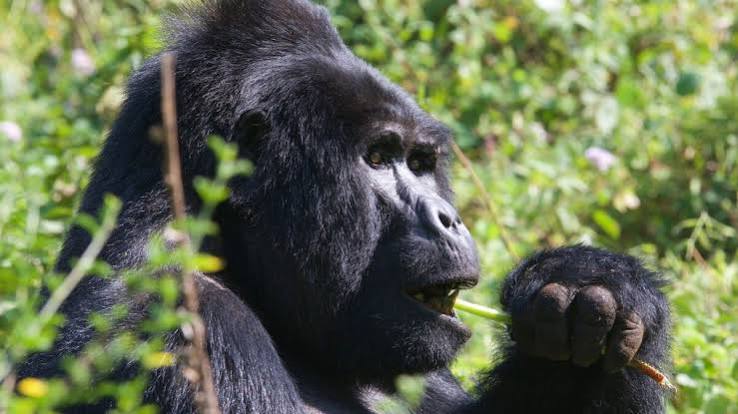
This gorilla trekking sector is characterized by a sprawling series of steep ridges and deep, muddy valleys. Trekking here is a tier up in difficulty compared to Buhoma. Hikes can range from moderately demanding to highly strenuous, depending on which valley your assigned family chooses to sleep in the night before. You will navigate narrow, machete-cut paths, slip down muddy embankments, and scale steep hillsides tangled with vines.
The Gorilla Habituation Experience (GHEX)
Rushaga’s crown jewel is that it is the only sector in Bwindi authorized to run the Gorilla Habituation Experience. While a standard gorilla trek grants you exactly one hour with a fully habituated family, the Habituation Experience allows a maximum of four tourists to accompany UWA researchers and rangers as they follow a semi-habituated group.
- Time Spent: Up to 4 hours in the presence of the gorillas.
- Permit Cost: USD $1,500 per person (compared to USD $800 for a standard trek). However according to the latest UWA tariff rates, this experience will be $1800 effective January,1, 2027.
- The Experience: This is a raw, educational, and deeply immersive encounter where you observe wild primates learning to tolerate human presence.
Gorilla Families and Permit Availability
Rushaga has the most mountain gorilla groups. It features over eight families, including large groups like Nshongi, Mishaya, Kahungye, Bweza, and Busingye, plus the Nshanjare group added by the Uganda Wildlife Authority in July 2026.
If you are booking a last-minute safari or traveling in a large group, Rushaga is statistically your best bet for finding permit availability.
It is best suited for large groups, photographers, budget-to-mid-range seekers, and the Gorilla Habituation Experience.
Rushaga is the top sector in Bwindi for gorilla permits and features the largest number of trained gorilla groups ready for visitors.
Advantages of Rushaga Sector
- Habituated Availability: Because it hosts the highest number of groups, securing a standard trekking permit here is statistically easier at the last minute than in Buhoma.
- Gorilla Habituation Experience (GHEX): Rushaga is the exclusive sector where visitors can book the 4-hour habituation experience, spending extended hours with researchers tracking semi-habituated groups rather than the standard 1-hour limit.
- Accessibility and Infrastructure: Rushaga is the ideal sector for travelers arriving via Rwanda. Driving from Kigali International Airport across the Cyanika border post into southern Bwindi takes roughly 4 to 5 hours. This is significantly shorter than the grueling 8- to 9-hour drive required to reach Bwindi from Uganda’s Entebbe International Airport. For domestic flyers, the sector is serviced via the Kisoro Airstrip.
- Lodging Profile: Rushaga is the undisputed king of budget and mid-range accommodation, making it highly attractive to independent travelers and cost-conscious backpackers. Properties like Rushaga Gorilla Lodge, Four Gorillas Lodge, and Ichumbi Gorilla Lodge offer exceptional comfort, beautiful forest views, and great amenities without the extreme luxury price tag
Disadvantages of Rushaga Sector
- Physical Demands: The terrain involves navigating steep ridges and deep ravines, requiring a solid level of physical fitness.
- Road Distance: It requires a long 8 to 9-hour drive from Kigali (Rwanda) or an even longer 9 to 10-hour drive from Entebbe/Kampala.
-
Ruhija Gorilla Trekking Sector
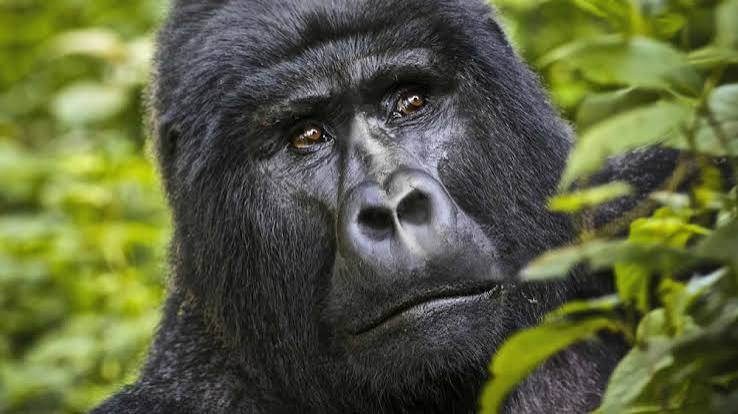
Occupying the eastern highlands of the park, Ruhija is celebrated as the quietest, least commercialized tracking sector amongest the four Bwindi Gorilla Trekking Sectors. It appeals strongly to eco-tourists, seasoned hikers, and passionate ornithologists looking to escape the busier crowds found in Buhoma and Rushaga.
Ruhija is the highest trekked sector among Bwindi Gorilla Trekking Sectors. It has steep The physical challenge here stems primarily from the elevation; hikers must pace themselves against the thinner mountain air.
Gorilla Families in and Key Highlights
Ruhija manages four habituated groups: Bitukura, Oruzogo, Mukiza, and Kyanguriro. The Kyanguriro group is heavily integrated with UWA research, making tracking them an intellectually fascinating experience as guides share deep lineage data.
Beyond primates, Ruhija is globally famous for its world-class bird-watching. The sector provides access to the Mubwindi Swamp trail, a bucket-list track where birders can spot rare Albertine Rift endemics, including the highly elusive African Green Broadbill, Grauer’s Rush Warbler, and the Regal Sunbird.
Accessibility and Infrastructure
Ruhija sits centrally between Kabale town and the northern sectors. It can be reached from either direction via winding dirt roads that offer views of the cultivated Kigezi highlands (often called the “Switzerland of Africa”).
It pairs smoothly with an itinerary that includes relaxation time at the nearby, scenic Lake Bunyonyi
It is best suited for avid birdwatchers, hikers, and travelers seeking off-the-beaten-path solitude.
Ruhija offers a cooler, wilder micro-climate. It bridges the gap between deep forest exploration and Afro-montane birding paradise.
Advantages of Ruhija Sector
- World-Class Birding: Celebrated as a premier birding hot-spot, Ruhija features specialized species like the Grauer’s rush warbler, Lagden’s bush-shrike, and Albertine Rift endemics around the Mubwindi Swamp.
- Tranquil Ambiance: It receives fewer crowds than Buhoma, ensuring a quieter and more intimate forest atmosphere.
- Diverse Fauna: Trekkers occasionally spot elephants near the swamp or troop movements of black-and-white colobus and L’Hoest’s monkeys.
- Lodging Profile: The lodging landscape in Ruhija is intimate and rustically charming, leaning heavily toward mid-range and eco-luxury camps. Highly regarded options include Bakiga Lodge, Gorilla Mist Camp, and Agandi Uganda Eco-Lodge, all of which prioritize community-led conservation and offer views across the misty forest canopy.
Disadvantages of Ruhija Sector
- Challenging Climates: Higher elevation means morning temperatures drop sharply, and the trails can turn slick and muddy during rainy seasons.
- Longer Transfer Times: Accessing the trail-heads from main regional transport hubs requires navigating narrow dirt roads where a robust 4WD vehicle is mandatory.
-
Nkuringo Gorilla Trekking Sector
Perched on a high ridge in the southwestern corner of Bwindi, Nkuringo is widely deemed the most physically grueling yet visually spectacular sector in the national park. It is custom-built for seasoned hikers, landscape photographers, and active adventurers.
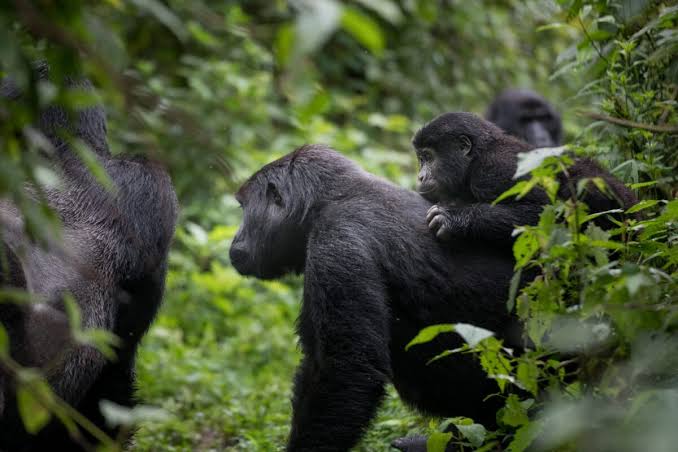
Make no mistake: Nkuringo features the toughest tracking terrain in Uganda. The sector headquarters sits on an exposed ridge looking down into an incredibly deep valley system.
To reach the gorillas, trackers must descend a near-vertical wall of hills into the depths of the primary forest. The true test, however, comes at the end of the day.
After spending an hour with the gorillas, you must hike back up that exact same steep incline to return to your vehicle or lodge. This final leg requires strong knees, solid cardio, and a mandatory walking stick.
Gorilla Families and Scenic Rewarding
Nkuringo is home to a few highly resilient families, including the famous Nkuringo group, Christmas, and Bushaho. The silverbacks here are famously large and magnificent.
It is one gorilla trekking sector where satisfaction is derived from conquering this brutal terrain. On clear days, the ridge line at Nkuringo provides a panoramic view of the entire chain of the eight Virunga Volcanoes stretching across the borders of Rwanda and the Democratic Republic of Congo.
Watching the sun rise or set over the rugged canopy of Bwindi with the smoking peaks of Nyiragongo or Mikeno in the background is a visual highlight exclusive to this sector.
Accessibility and Infrastructure
Similar to Rushaga, Nkuringo is highly accessible from Kisoro town or via a 5-hour drive from Kigali, Rwanda. The final mountain roads approaching the sector are narrow and rough, demanding a sturdy 4×4 safari vehicle, particularly during the wet rainy months.
Lodging Profile
Despite its remote and rugged nature, Nkuringo hosts some of the most stunning luxury properties in East Africa, built specifically to capitalize on the mountain vistas.
Clouds Mountain Gorilla Lodge sits over 2,000 meters above sea level and provides personalized butler service with private stone cottages.
Another option is the eco-award-winning Nkuringo Bwindi Gorilla Lodge, which delivers luxury designed to merge seamlessly into the ridge ridge-top environment.
It is best suited for extreme fitness enthusiasts, landscape photographers, and adventurous hikers.
Nkuringo commands some of the most striking panoramic valley and mountain views in East Africa. Trekkers here walk through vibrant local farmlands before plunging straight into the ancient jungle wall.
Advantages of Nkuringo Sector
- Spectacular Scenery: The ridge views at sunrise and sunset over the Albertine Rift valley are unmatched.
- Unique History: Home to the first group in southern Bwindi to be habituated (1997) and historic milestone events like the birth of gorilla twins in December 2004.
- True Wilderness Isolation: Offers a genuine off-the-grid feel away from mass tourism paths.
Disadvantages of Nkuringo Sector
- Strenuous Trekking: The steep slopes and dramatic changes in elevation mean your legs will feel the burn; not recommended for individuals with joint problems or low stamina.
- Logistical Isolation: Fewer amenities exist directly on the immediate ridge edge, and road transfers demand experienced local drivers.
How to Choose Your Perfect Bwindi Gorilla Trekking Sector
- Choose Buhoma if you prefer shorter hiking distances, easy integration with Queen Elizabeth National Park, or are traveling with older family members.
- Choose Rushaga if you want to secure permits relatively easily or wish to experience the 4-hour Gorilla Habituation Experience.
- Choose Ruhija if you prioritize bird-watching, forest quiet, and cool mountain air.
- Choose Nkuringo if you are physically fit and want dramatic photographic backdrops paired with a challenging hike.
Nyakagezi Gorilla trekking Sector-Mgahinga Gorilla National Park
Nyakagezi gorilla trekking sector is located in Mgahinga Gorilla National Park. It is the only habituated gorilla family there in this park. This park is located on the slopes of the Virunga Mountains. The family consists of around 9 to 10 members, led by the dominant silverback Mark.
The Uganda Wildlife Authority only issues 8 trekking permits per day for this sector, which makes it a unique sector.
Frequently Asked Questions about Gorilla Trekking Sectors
Below are some answer to common questions travelers ask when comparing gorilla trekking sectors in Uganda
1. In which sector does gorilla habituation take place?
Gorilla habituation takes place in Rushaga Sector
2. How many sectors does Bwindi Impenetrable National Park have?
It has only 4 sectors
3. Are Gorilla trekking sectors in Bwindi in the same district?
No, all 4 sectors are in different districts such as Rushaga and Nkuringo in Kisoro, Buhoma in Kanungu and Ruhija in Rubanda.
4. What is the difference between gorilla trekking and gorilla habituation?
Gorilla trekking takes places in all 4 sectors of the park and after the long trek, visitors spend only an hour with the species. A permit for this activity costs only $800.
Gorilla habituation only takes place in Rushaga sector. A habituation permit here $1500 and allows only 4 visitors for every gorilla family, who spend 4 hours with them.
5. Which the the oldest gorilla trekking sector of Bwindi ?
Buhoma sector.
In conclusion, settling the right gorilla trekking sector for oneself is huge step to a successful gorilla experience in Uganda. All Bwindi’s four sectors Buhoma, Rushaga, Nkuringo and Ruhija offer different terrain experiences, treks, gorilla encounter and accommodation. Nyakagezi in Mgahinga Gorilla National park adds to these items, where you can also satisfactorily enjoy gorillas.
Therefore, when you discover and understand the difference in and of each gorilla trekking sector, you will plan a gorilla tour that fits your fitness level, budget and other personal interests.