
How Long Does Gorilla Trekking Take? -Silverback Gorilla Safaris
A gorilla trekking excursion typically takes between 2 and 8 hours, with the actual time spent observing the gorillas strictly limited to 1 hour.
The total duration varies significantly based on the location of the gorilla family, the terrain, and the physical fitness of the trekking group.
This comprehensive guide breaks down every phase of the trekking day, the key factors that influence your timing, and how to prepare for this once-in-a-lifetime adventure in East Africa (Uganda, Rwanda or Congo).
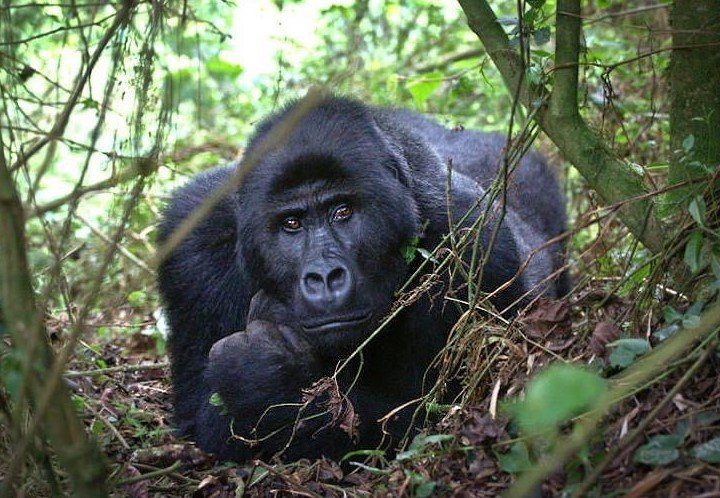
How Long Does Gorilla Trekking Take? An Hour-by-Hour Breakdown
To understand how long gorilla trekking takes, it helps to look at the structure of the entire day. The gorilla tracking adventure is much more than just the walk in the jungle; it is a full-day commitment that begins at sunrise.
- The Morning Briefing (30 to 60 Minutes)
Your day begins early, usually around 7:00 AM or 7:30 AM, at the park headquarters. Whether you are trekking in Uganda’s Bwindi Impenetrable National Park or Rwanda’s Volcanoes National Park, this briefing is mandatory.
- Park Registration: Rangers check your passports and tracking permits.
- Safety Protocol: You will learn the strict rules, such as maintaining a 7-meter (23-foot) distance from the gorillas, keeping your voice low, and never leaving trash behind.
- Family Assignment: You get assigned to a familiar gorilla family by the park rangers. This assignment is crucial because it directly dictates how long your trek will be. Rangers try to pair elderly or less fit travelers with gorilla families located closer to the park boundaries, while more athletic trackers are assigned to groups further in the interior.
- The Drive to the Trailhead (15 to 45 Minutes)
Not all treks start directly from the park headquarters. Depending on which gorilla family you are assigned to, you may need to jump back into your 4×4 safari vehicle and drive to a specific trailhead. This transfer can add up to 45 minutes to your morning routine before your feet even touch the trail.
- The Hike to Find the Gorillas (1 to 4+ Hours)
This is the most unpredictable variable of the day. You will hike through dense, untamed vegetation alongside armed park rangers and trackers.
- Short Treks (1–2 hours): If you are lucky, the gorilla family may have nested close to the park edge the night before and moved very little during the morning.
- Medium Treks (2–3 hours): This is the average experience. You will navigate rolling hills and moderate slopes.
- Long Treks (4–6+ hours): Mountain gorillas are wild animals that move constantly in search of food. If your assigned family decides to climb to a higher altitude or deep into the valleys, you could be in for an exhausting, all-day hike.
- The Magical Hour (Exactly 60 Minutes)
Once your rangers locate the gorilla family, the clock starts. International conservation laws strictly limit gorilla viewing to exactly one hour. This rule is non-negotiable.
It protects the gorillas from becoming overly stressed by human presence and minimizes the risk of transmitting human illnesses to these highly vulnerable primates. During this hour, you will watch them feed, groom, play, sleep and interact.
- The Return Hike (1 to 3 Hours)
After your hour is up, you will pack your camera gear and begin the journey back to the trailhead.
While you are generally walking back down paths you have already cleared, fatigue can set in, making the return journey feel just as long as the initial hike.
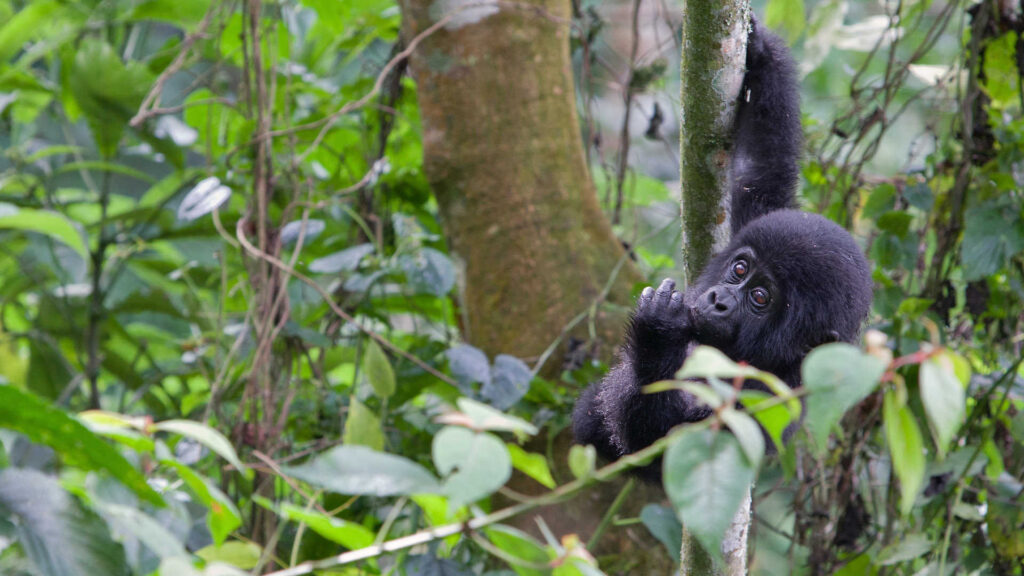
Key Factors That Influence the Duration of Your Trek
No two gorilla treks are identical. If you speak to five different travelers, they will give you five different answers about how long their trek took. These changes come from several important factors:
Gorilla Movement and Nesting Habits
Gorillas build new nests every single night and move to new locations shortly after waking up.
Advanced teams of park trackers head into the forest at dawn to locate where the gorillas slept the night before and follow their fresh footprints and dung.
If the family is on the move searching for specific bamboo shoots or fruit, you will have to chase their path, adding hours to your trek.
Terrain and Elevation
The “mountain” in mountain gorilla is there for a reason. You will be trekking at high altitudes—often between 2,000 and 3,000 meters (6,500 to 9,800 feet) above sea level. The air is thinner, making physical exertion significantly harder.
Furthermore, the terrain is characterized by steep ridges, deep valleys, and thick undergrowth without clear walking paths.
Weather and Seasonality
East Africa experiences two rainy seasons (March to May and October to November) and two dry seasons.
- Dry Season: The ground is firmer, but gorillas may travel higher up the mountains to find food, lengthening the hike.
- Rainy Season: Gorillas often stay at lower altitudes where food is abundant, meaning shorter hikes. However, the paths become incredibly muddy, slippery, and physically taxing, which can slow your walking pace to a crawl.
The Pace of the Group
How Long Does Gorilla Trekking Take? A gorilla tracking group consists of a maximum of eight tourists. Your group moves only as fast as its slowest member.
Rangers are excellent at managing group dynamics and will never leave anyone behind, but if a member of your group struggles with the steep terrain, the overall duration of the trek will increase.
The Ultimate Insider Secret: Gorilla Habituation Experiences
If one hour feels far too short for the amount of travel and effort required, there is an alternative option available exclusively in Uganda’s Bwindi Impenetrable National Park:
The Gorilla Habituation Experience. Habituation is the delicate, multi-year process of training wild gorillas to tolerate the peaceful presence of humans.
On a standard trek, you visit a fully habituated group. On a habituation trek, you accompany researchers, trackers, and conservationists as they follow a semi-habituated family.
- Time Allotted: You get four hours with the gorillas instead of one.
- Overall Duration: These treks almost always take all day (typically 6 to 9 hours).
- The Experience: It is a more demanding, raw, and educational trek where you learn how scientists interpret gorilla vocalizations and behaviors.
How Long Does Gorilla Trekking Take? Prepare for the Physical Demand
Because you cannot predict whether your trek will take two hours or eight, you must prepare for the maximum duration.
Hire a Porter
At the start of the trail, you can pay a local helper a typical rate of $15 to $20 USD to carry your bags. Hiring a porter is highly recommended.
They will carry your heavy backpack, camera gear, and water. More importantly, they will literally pull or push you up steep, muddy inclines. This support keeps your energy levels high and can significantly shave time off your hike.
Pack Proper Gear
Wearing the wrong gear will slow you down and make the trek feel twice as long. Ensure your packing list includes:
- Sturdy Hiking Boots: Broken-in boots with deep ankle support and excellent grip are non-negotiable.
- Long-Sleeved Clothing: Thick trousers and long sleeves protect your skin from stinging nettles and sharp branches.
- Tucking in Trousers: Always tuck your trousers into your socks to prevent safari ants from crawling up your legs.
- Gardening Gloves: You will constantly grab onto branches, roots, and vines for balance; thick gloves protect your hands.
Hydration and Nutrition
The park does not provide food or water on the trail. You must bring a minimum of 2 to 3 liters of water and a packed lunch (usually provided by your safari lodge). Because a trek can easily stretch past lunchtime, having energy bars, nuts, or dried fruit in your daypack is vital for maintaining your stamina.
Maximizing Your Single Hour with the Gorillas
When you finally reach the gorillas after hours of intense hiking, the one-hour limit passes incredibly fast. To make the most of your 60 minutes:
- Put the Camera Down: Spend the first 10 minutes simply looking at the gorillas with your own eyes, rather than through a camera lens or phone screen.
- Prepare Your Settings Early: The jungle canopy creates low-light conditions with patches of bright sunlight. Adjust your camera settings (like raising your ISO) before you step into the gorilla clearing so you do not waste precious minutes fiddling with buttons.
- Stay Quiet and Calm: The quieter the human group remains, the more natural and relaxed the gorillas will act, allowing you to witness authentic family dynamics.
In conclusion, Gorilla trekking is a dynamic adventure where nature dictates the schedule. Whether your trek is a brief two-hour stroll or a grueling eight-hour expedition, the moment you lock eyes with a silverback makes every single minute of the journey worth it.