
Last Updated 19 October, 2026
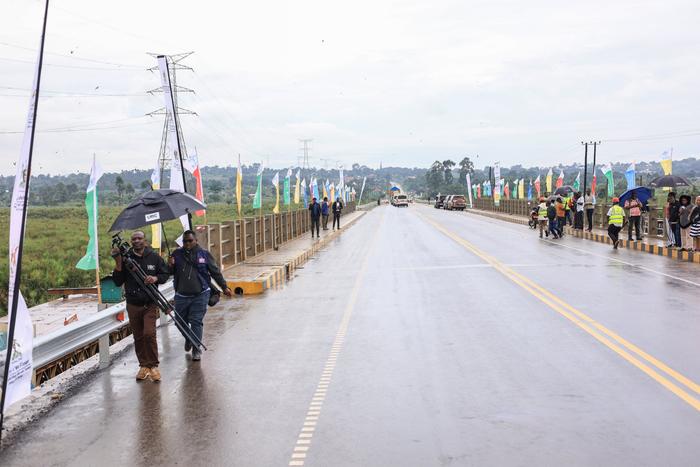
Katonga Bridge on Uganda’s Kampala–Masaka Highway has reopened following the completion of a major reconstruction project.
After heavy flooding washed away the Katonga bridge in May 2023, the sudden halt in travel heavily impacted everyone from safari organizers and transport services to eager travelers and nearby villages making this reopening a massive relief.
The restored crossing is crucial for those traveling from Entebbe International Airport or Kampala towards southwestern Uganda, including destinations such as Bwindi Impenetrable National Park, Queen Elizabeth National Park and Lake Mburo National Park.
When Did Katonga Bridge Collapse?
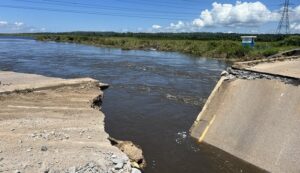 Katonga Bridge collapsed on 11 May 2023 following heavy rains and flooding along the River Katonga in Mpigi District, southwestern Uganda. Rising waters have submerged parts of the Kampala–Masaka Highway, turning the route into a dangerous trap.
Part of the original Katonga bridge subsequently collapsed, disrupting traffic between central Uganda and the southwestern region.
How Did the Katonga Bridge Closure Affect Tourism?
A structural failure on Katonga bridge along the Kampala–Masaka highway brought traffic to a standstill, forcing stranded motorists to hunt for back road alternative routes as maintenance teams such as Ministry of Works & Transport hurried to fix the break.
During the disruption, some heavy vehicles were diverted through Mpigi, Gomba, Sembabule and Bukomansimbi towards Masaka.
These diversions increased journey distances, fuel consumption and travel time.
These challenges had practical implications for safari travel, including:
- Longer road transfers: Visitors traveling from Kampala towards southwestern Uganda could face extended journeys when diversions were necessary.
- Itinerary adjustments: Shifted timetables can disrupt your lodge arrivals, planned excursions, and travel to subsequent parks.
- Higher transport costs: Prolonged travel routes directly drive-up fuel consumption and mechanical wear, squeezing profit margins for tour operators.
- Additional planning requirements: Tour operators needed to monitor road access and adjust departure times to minimize disruption.
Katonga Bridge Reopening: What Has Changed?
Normal operations at the Katonga Bridge resumed on October 2, 2026, followed by its ceremonial inauguration on October 17, 2026, according to updates from the Ministry of Works and Transport.
The reconstruction was undertaken under the Ministry of Works and Transport, with China Communications Construction Company (CCCC) carrying out the works.
Key improvements include:
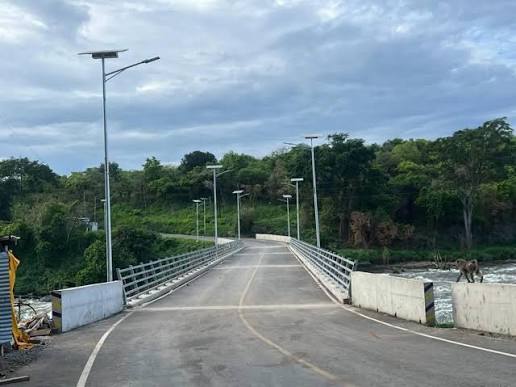
- A new elevated bridge: The replacement structure was designed to improve resilience against flooding.
- Approach road improvements: The project included approximately 2.7 kilometers of approach roads.
- Work on vulnerable road sections: Improvements on Katonga Bridge also covered sections around the Lwera and Kalandazi swamps along the wider corridor.
- Restored highway connectivity: Motorists can once again use the direct Kampala–Masaka route without relying on the previous Katonga crossing diversions.
How the Katonga Bridge Reopening Affects Uganda Safari Routes
The reopening of the Katonga Bridge restores direct movement along the Kampala–Masaka Highway which is a vital road network used to reach several wildlife destinations in southwestern Uganda.
1. Traveling to Lake Mburo National Park
Lake Mburo National Park serves as a premier hub for immersive wildlife tracking, scenic foot expeditions, avian scouting, and tranquil aquatic cruises.
Travelers driving from Kampala towards the park can benefit from restored Katonga Bridge along the Kampala–Masaka corridor as road transfers are easier to plan.
2. Driving to Bwindi Impenetrable National Park
Deep within Bwindi Impenetrable National Park lies the world’s premier destination for intimate, face-to-face encounters with wild mountain gorillas.
Visitors traveling by road from Kampala towards Bwindi’s different trekking sectors may use the Katonga Bridge, followed by onward roads towards their booked sector.
However, Bwindi has several trekking sectors, and the most suitable route depends on the visitor’s permit location and lodge. Travelers should confirm their itinerary with their safari operator rather than assume that every sector has the same access route.
3. Journeying to Queen Elizabeth National Park
Queen Elizabeth National Park offers wildlife viewing, boat cruises along the Kazinga Channel and opportunities to explore Uganda’s diverse landscapes.
Travelers heading towards the park from Kampala may use the restored highway corridor before continuing towards their selected park entrance or accommodation.
The reopening helps reduce uncertainties associated with the Katonga crossing disruption.
4. Connecting to Other Southwestern Destinations
The Kampala–Masaka Highway also supports journey movements towards other destinations in southwestern Uganda, such as Kabale and Kisoro areas where Mgahinga Gorilla National Park is located for golden monkeys and mountain gorillas.
The restored Katonga Bridge is relevant to safari operators arranging multi-destination trips, although the best route will depend on the final destination.
The highway is also part of a wider regional transport connection linking Uganda with neighboring countries, including Rwanda, Tanzania, Burundi and the Democratic Republic of Congo.
Diversion Routes Used During the Katonga Bridge Closure
During the closure of the Katonga bridge, traffic plans changed due to the road condition and the type of the vehicles.
One of the reported diversion routes for heavy vehicles ran through Mpigi, Gomba, Sembabule and Bukomansimbi towards Masaka.
Other travelers mostly motorists were channeled through the wider Mpigi–Sembabule–Villa Maria belt.
Travel Tips for Travelers
Whereas the Katonga Bridge reopening means eased traffic and smooth movement of travelers, proper travel planning remains important for a remarkable safari in Uganda.
1. Confirm the current road situation
Check updates from the Ministry of Works and Transport or your registered safari operator before setting off.
Road conditions can change because of rain, maintenance or temporary traffic controls.
2. Plan your journey reasonably
Do not plan your entire safari around an assumed driving time. Allow a reasonable shield for the unpredictable weather, stop-overs, traffic and other road conditions.
3. Protect your Gorilla Trekking Schedule
For travelers who would like to observe the gorillas playing, feeding and grooming, they should book their gorilla trekking permit on time and coordinate their arrival with their safari operator.
4. Confirm your tourism sector and accommodation
Protected nature reserves often feature multiple access gates, distinct walking trails, and various places to stay.
Give your safari operator the name of your booked lodge and activity location so that the correct route can be selected.
5. Follow road safety and traffic rules
Observe road signs, posted speed limits and directions from traffic officers. Avoid dangerous overtaking and never attempt to cross a flooded or restricted section of road.
6. Budget for your safari
The reopening of Katonga Bridge may help reduce the need for lengthy extensions on this corridor, but it does not guarantee a specific reduction in safari prices or a fixed journey time.
Ask your operator to confirm the transport arrangements and any relevant changes to your itinerary.
Plan Your Uganda Safari
With Katonga Bridge reopened, visitors can plan road journeys along the Kampala–Masaka Highway without the previous crossing diversion, subject to current road conditions and any official traffic restrictions.
For assistance planning your trip, contact info@silverbackgorillasafaris.com to discuss your safari itinerary.